Response to the question: To vaccinate or not to vaccinate?
Israel
Prize Laureate in Medical Ethics and M.D. on: Halakhic and ethical
factors in vaccinating against corona and the issue of sanctions for
vaccine refusers.
Fundamental background facts:
1. COVID-19 is an international epidemic which has caused innumerable
deaths the world over, including several thousands of our brothers in
Israel. In addition, the epidemic has caused severe illness and ongoing
health problems, even among those who have recovered. The epidemic has
also caused psychological damage, and extensive damage economically, in
the world of education, and in many social spheres.
2. To date, all of the methods employed to contain the epidemic have
failed. The disease continues to spread and to bring about widespread
death and illness.
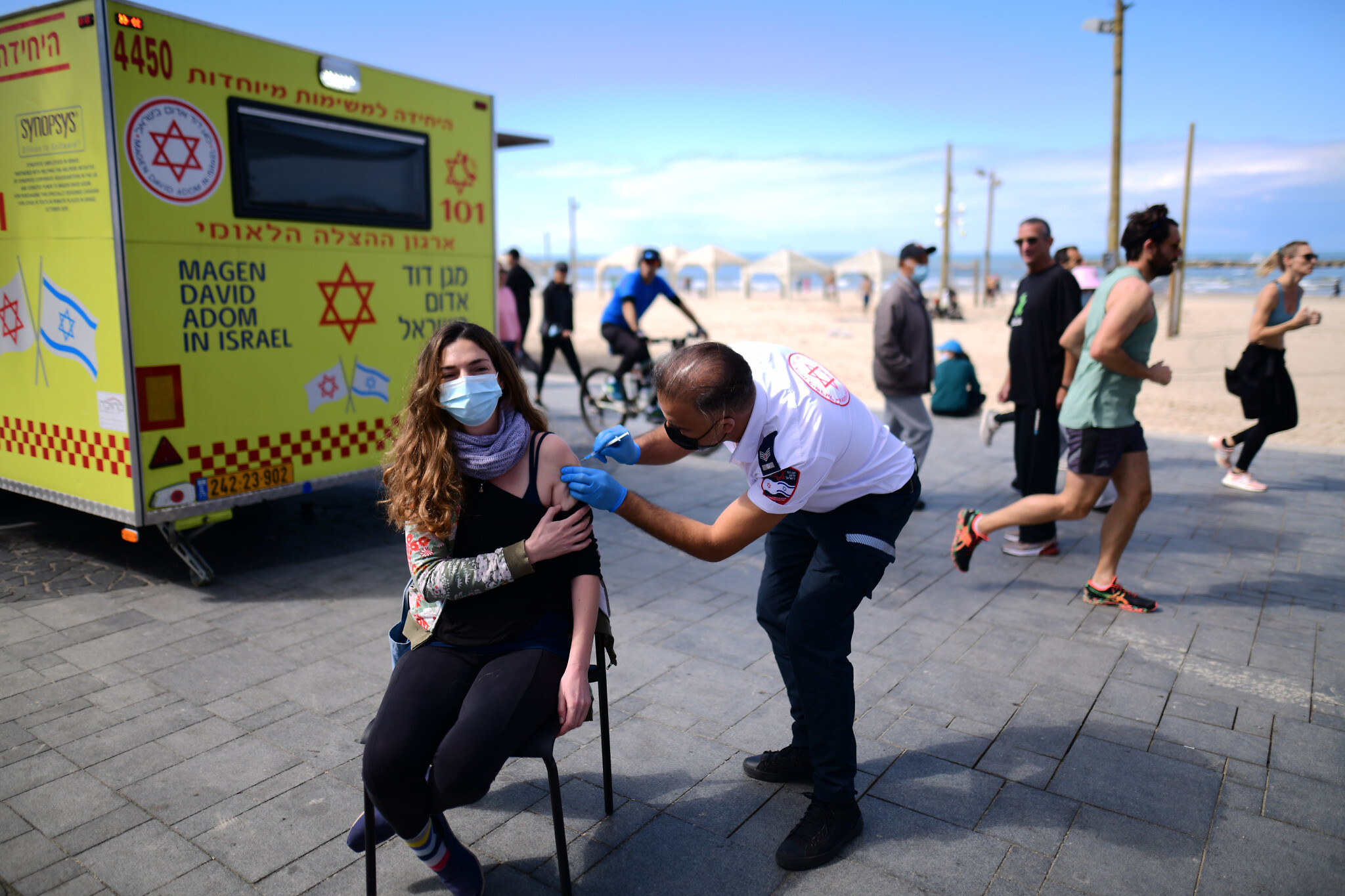
3. The vaccinations manufactured to provide protection against the
Coronavirus, and which have passed the accepted stages of research, and
which have received the accreditation of the most authorized regulatory
agencies in the world, have proven to be extremely effective, not only
during experimental trial, but also during actual implementation
millions of people in various countries around the world, and especially
in Israel. Furthermore, they have proven to be very safe, with only
mild and passing negative after-effects.
4.
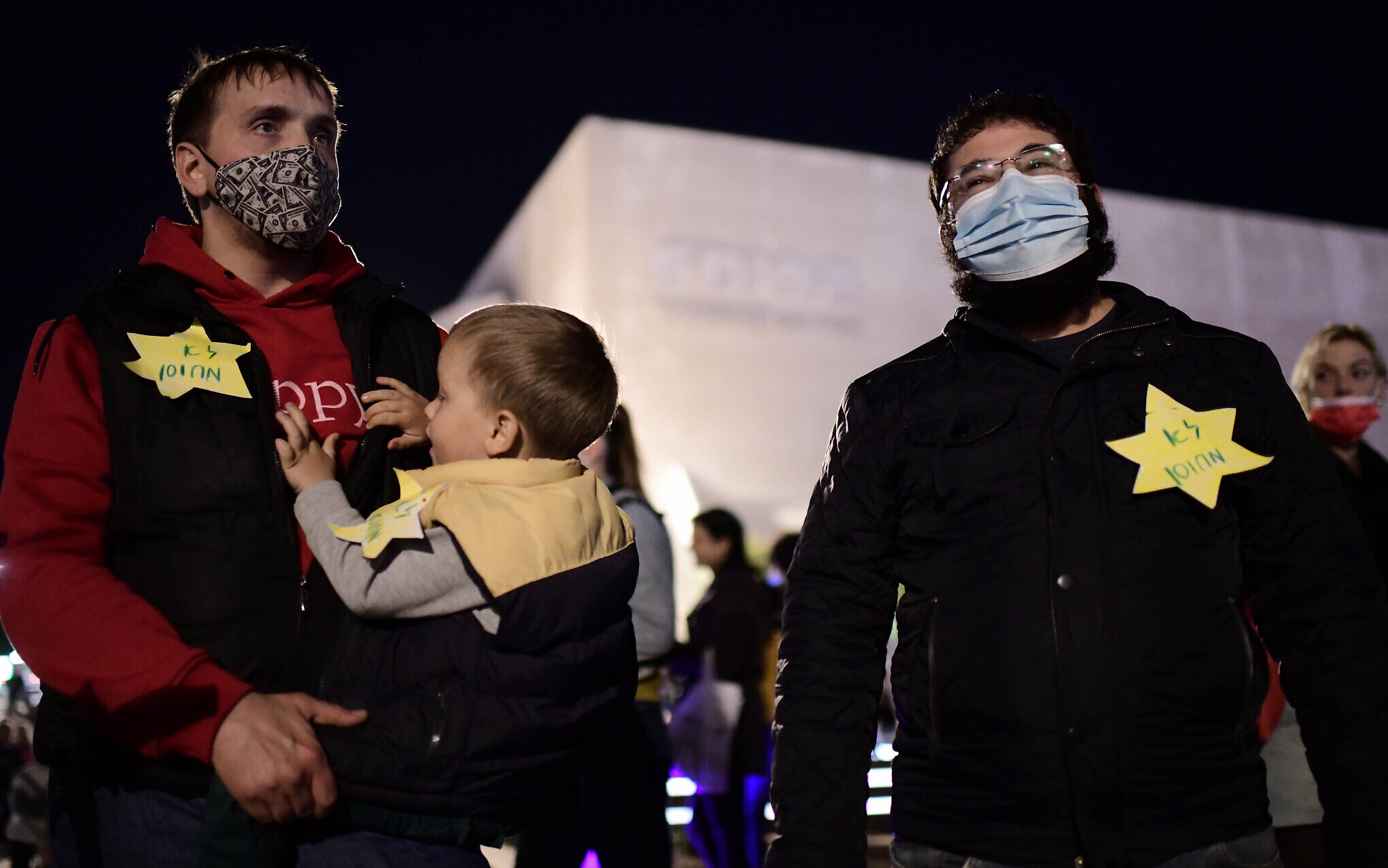
All the claims of conspiracy, and the alarmist fake news surrounding
the vaccines, are unfounded, fake news, and a person should not take
them into account. While there do remain several open questions, they
don’t carry enough weight to avoid vaccination.
5. The people who refuse to be vaccinated cause damage to themselves,
since they are liable to become very sick, and even to die. In
addition, they cause damage to others, because they are likely to infect
many people, both a very small percentage amongst those who have
already been vaccinated, and amongst those who were not allowed to be
vaccinated, whether because of some existing medical problem, or because
they lacked permission, such as children under the age of 16 (note: the
vaccine has not been tested for under 16 year olds).
Hence, halakhically it is an obligation upon everyone to be vaccinated based on the commandment, “You shall safeguard yourselves exceedingly,” (Devarim, 4:15), ונשמרתם מאד לנפשותיכם and based on the imperative to avoid harm to others.
In light of these factors, the Halakhic and ethical conclusions regarding people who refuse vaccination are as follows:
1. Regarding vaccination refusers – the matter must be judged in
light of its criminal aspect, and in the sphere of damages/torts.
Firstly, if it is permissible, or necessary, to force them to be
vaccinated against their will, or to punish them for their refusal, as a
consequence of the criminal aspect of their refusal. Secondly, it is
permissible or necessary to impose sanctions upon them, or to deny them
benefits, or interaction with the public, as a consequence of the aspect
of damage caused by their refusal.
In regard to forced vaccination or punishments, it seems that from
the principle of the law (Ikar HaDin) in the realm of Halakha, there is
room for compulsion based on whether the condition is such that the
epidemic is severe with grave mortality and sickness involved, this
stemming both from the commandment to carefully guard one’s health, and
in order to prevent them from spreading the disease to others, thereby
endangering lives.
In practice, it seems this approach will not be implemented in
democratic states which respect the autonomy of the individual, even at
the price of personal injury to himself. Nonetheless, the leaders of
these countries, and those who determine the law, are obligated to make a
great educational effort to explain the vital importance of the matter,
medically, ethically, and in light of the Halakha – to persuade people
to be vaccinated, and to negate the various false rumors opposing
vaccination.
2. Regarding sanctions and restrictions on interacting with the
public, and concerning the incentive of benefits, it seems clear that
this is permissible, and even an obligation of the government to enact
such measures.
That is to say, it is permissible to prevent vaccination refusers to
enter places that are not vital to life, and to grant entry permits to
public places (such as hotels, restaurants, places of entertainment, and
the like; and even to synagogues and schools), only to those who have
been vaccinated, or to those who were infected and recovered. It is also
permissible to prevent vaccination refusers from interacting with the
public, including teachers, policemen, store owners, and the like.
And it is certainly permitted for private companies and private
businesses to allow entry to their premises exclusively to those who can
prove that they have been vaccinated, or have recovered from
coronavirus.
3. It also must be noted that in the realm of damages/torts, a
vaccination refuser, during a spreading and uncontained epidemic, can be
legally sued placed under legal obligation if a person is infected and
becomes ill because of the said person who refused to be vaccinated, and
the person who became ill can bring a damage suit against the person
who infected him.
4. However, it must be noted that one cannot withhold medical
treatment to a vaccination refuser if he becomes ill with Corona, even
if he could have prevented himself from getting sick. This is the
customary way of relating to any sick person who caused his or her own
illness, such as chronic smokers, alcoholics, and the like. In the
sphere of Halakha, we do not withhold treatment from someone who was
injured while desecrating the Sabbath in public, or similar situations.
Translation from Hebrew: Tzvi Fishman
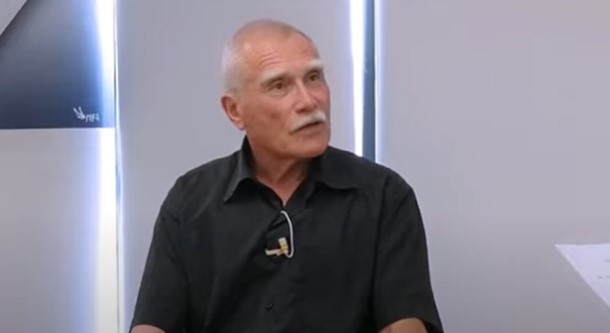
Rabbi Professor Avraham Steinberg serves as Director
of the Medical Ethics Unit & Chairman, IRB Committee, and is Senior
Child Neurologist at Shaare Zedek Hospital; Chief Editor of the 27
volume Head of the Talmudic Encyclopedia, and author of the Encyclopedia
of Jewish Medical Ethics. He is an Israel Prize laureate.
https://www.israelnationalnews.com/News/News.aspx/296932


.jpg)